Electrical systems are a critical part of any commercial facility. They power daily operations, support safety systems, and keep equipment running efficiently. Without regular maintenance, small electrical issues can turn into costly failures, downtime, or safety risks.
A preventive maintenance program helps identify problems early and keeps electrical systems operating as expected.
What Is Electrical Preventive Maintenance?
Electrical preventive maintenance involves routine inspections, testing, and servicing of electrical components to reduce the risk of failure.
Key Components of a Maintenance Program
A typical program includes:
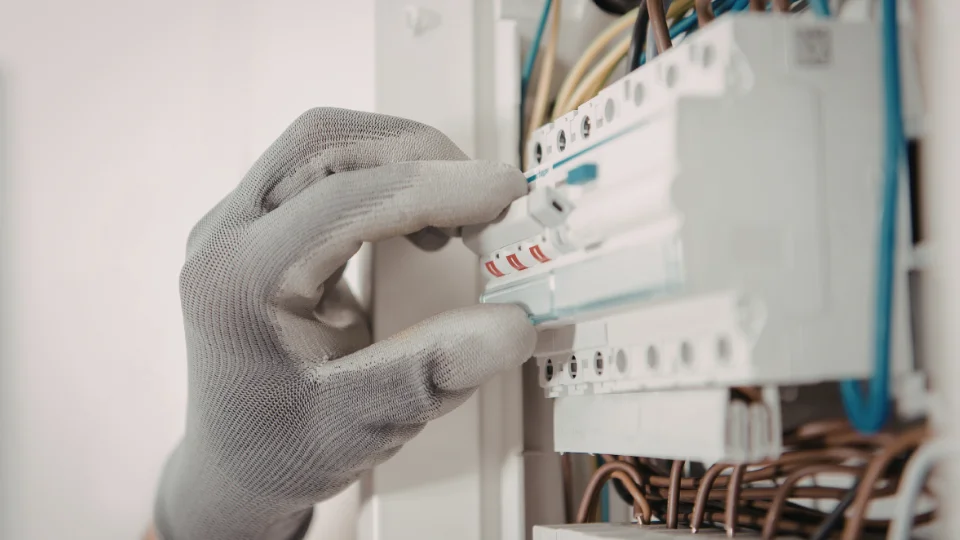
- Visual inspections of panels and wiring
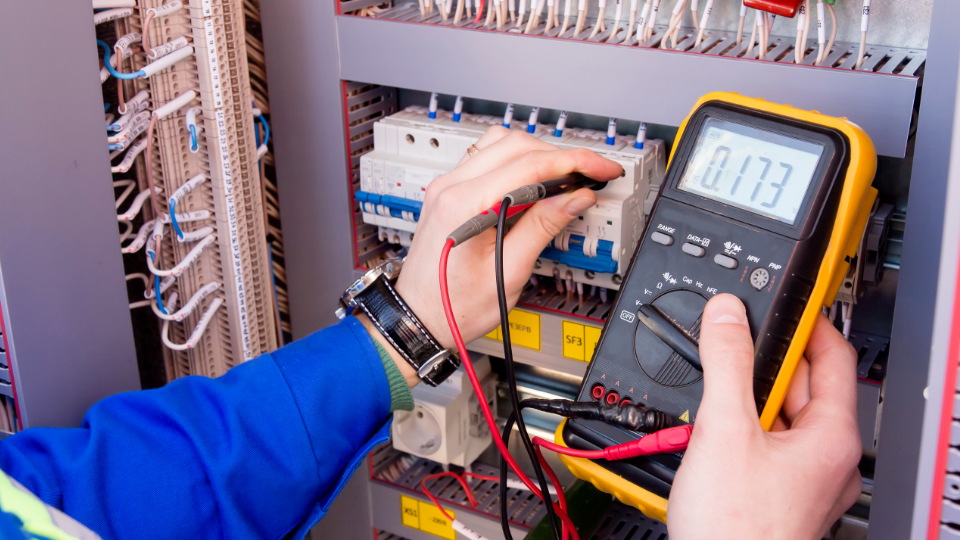
- Testing of breakers and connections
- Cleaning and tightening electrical components
- Thermal imaging to detect overheating
These steps help catch issues before they impact operations.
Why Preventive Maintenance Matters
Ignoring electrical maintenance can lead to unexpected outages and expensive repairs. A structured program helps reduce these risks.
Improved System Reliability
Regular maintenance keeps systems running consistently. This is especially important for facilities that rely on continuous power, such as manufacturing plants, office buildings, and healthcare facilities.
Reduced Downtime
Unexpected electrical failures can disrupt operations and lead to lost revenue. Preventive maintenance helps minimize these interruptions by addressing problems early.
Enhanced Safety
Faulty wiring, overloaded circuits, and loose connections can create serious safety hazards. Routine inspections help reduce the risk of:
- Electrical fires
- Equipment damage
- Injury to staff or occupants
Common Areas of Focus
A strong maintenance program targets the most critical parts of your electrical system.
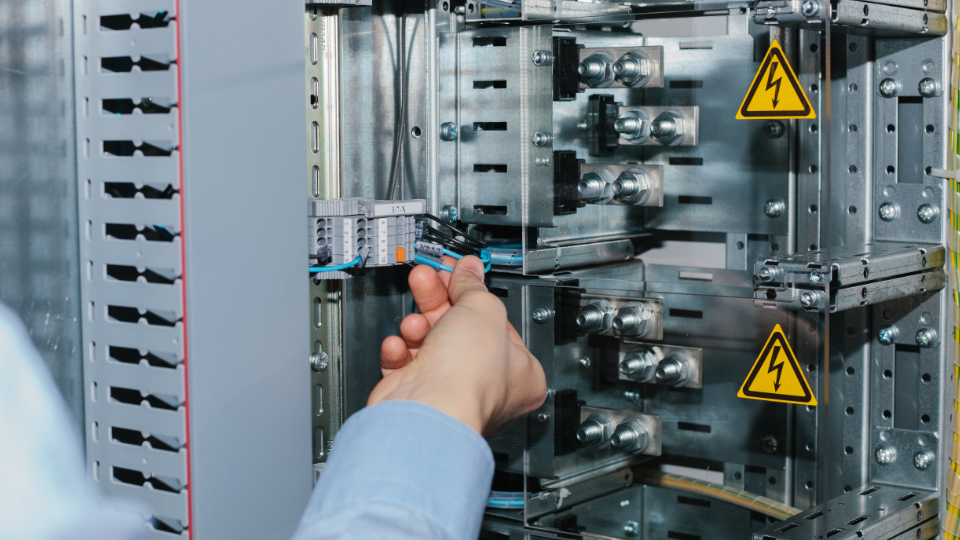
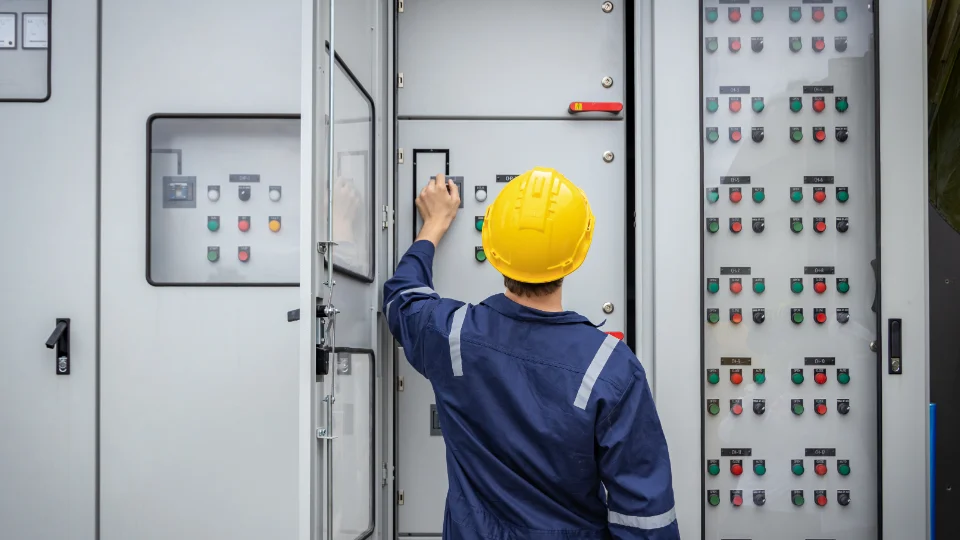
Electrical Panels and Switchgear
Panels and switchgear distribute power throughout the building. Over time, components can loosen or wear down. Regular inspections help maintain proper function and prevent overheating.
Backup Power Systems
Generators and backup systems need to be ready when power outages occur. Testing these systems ensures they will operate when needed.
Lighting Systems
Lighting is often overlooked, but it plays a key role in safety and efficiency. Maintenance includes checking fixtures, controls, and connections to keep systems functioning properly.
How Often Should Maintenance Be Performed?
The frequency of maintenance depends on the type of facility, equipment load, and usage.
General Guidelines
- High-demand facilities may require quarterly inspections
- Most commercial buildings benefit from annual maintenance
- Critical systems may need more frequent testing
Working with a qualified electrician helps determine the right schedule based on your facility’s needs.
Planning a Preventive Maintenance Program
Developing a maintenance plan starts with a full assessment of your electrical system.
Work With Experienced Professionals
A trained electrical contractor can:
- Identify potential risks
- Create a customized maintenance schedule
- Perform testing and repairs as needed
This approach helps extend the life of your equipment and supports long-term performance.
Choose a Partner That Keeps Your Systems Running
Electrical preventive maintenance requires experience, attention to detail, and the ability to respond when issues arise. Bates Electric provides 24-hour commercial electrical services with highly trained electricians who are experienced in all phases of the customer service electrical industry. Their team works with businesses to develop maintenance programs that reduce downtime, improve safety, and keep operations running smoothly. Whether you need routine inspections or immediate service, Bates Electric delivers reliable support for your facility.