Power outages can create major disruptions for commercial properties. Lost productivity, damaged equipment, interrupted communication systems, and safety concerns can quickly affect daily operations. For many businesses, having a dependable backup power plan is no longer optional. It is a necessary part of maintaining continuity during unexpected electrical issues.
While generators are often the first solution people think about, they are not the only option available. Choosing the right commercial backup power solution depends on the type of business, the building’s electrical demands, and how critical uninterrupted power is to operations.
Understanding Your Facility’s Power Needs
Before selecting any backup power system, businesses should evaluate what systems need to remain operational during an outage. Some facilities only need emergency lighting and security systems powered temporarily, while others rely on continuous operation of servers, refrigeration, manufacturing equipment, or medical devices.
A complete assessment helps determine the amount of power required and how long backup systems must operate. Commercial buildings with larger electrical loads may need layered solutions that support different parts of the facility separately.
Businesses should also consider future growth. Electrical demands often increase as companies expand operations, add equipment, or upgrade technology.
Beyond Traditional Generators
Generators remain one of the most common backup power solutions for commercial facilities, but they are not always the best standalone answer. Today’s businesses often combine generators with other technologies to improve reliability and energy management.
Battery backup systems, uninterruptible power supply systems (UPS), and energy storage solutions can help bridge the gap during outages and provide immediate temporary power while larger systems activate. These options are especially useful for protecting sensitive electronics, data centers, and communication systems.
Some facilities also integrate renewable energy systems, such as solar panels paired with battery storage, to reduce strain on backup generators and improve energy efficiency over time.
Considering Response Time and Reliability
Different industries have different tolerance levels for downtime. In some facilities, even a few seconds without power can create operational or safety risks. Healthcare facilities, manufacturing plants, retail centers, and data-driven businesses often require systems that activate almost immediately after power loss occurs.
Backup power systems should be selected based on both response time and reliability. Some systems are designed for short-term outages, while others can support operations for extended periods during severe weather or utility failures.
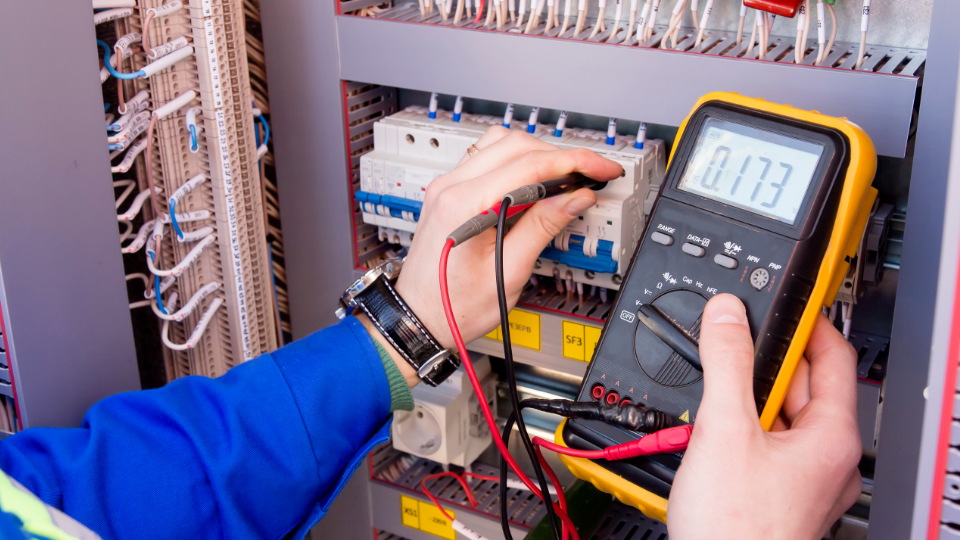
Routine maintenance and testing also play a major role in overall performance. Even the best backup system can fail if it is not inspected and serviced regularly.
The Importance of Professional Installation
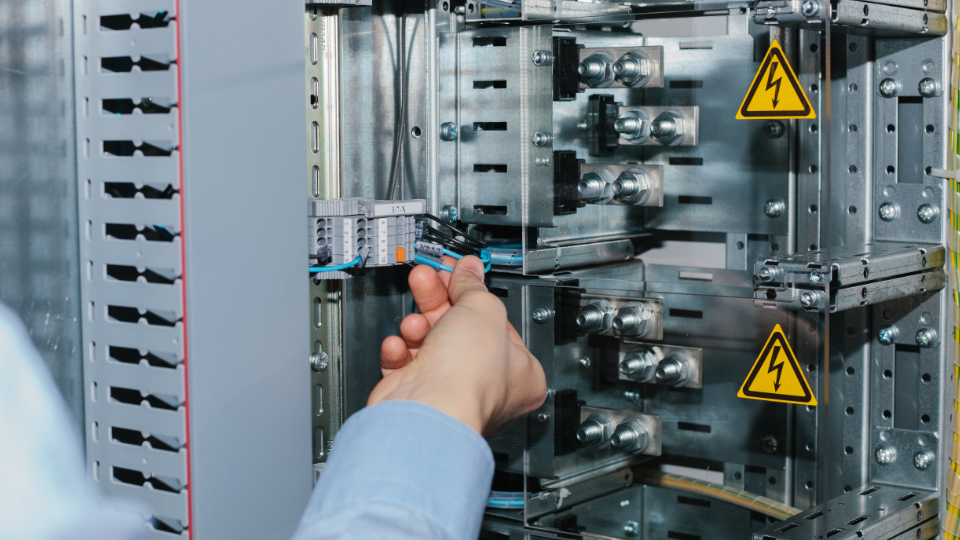
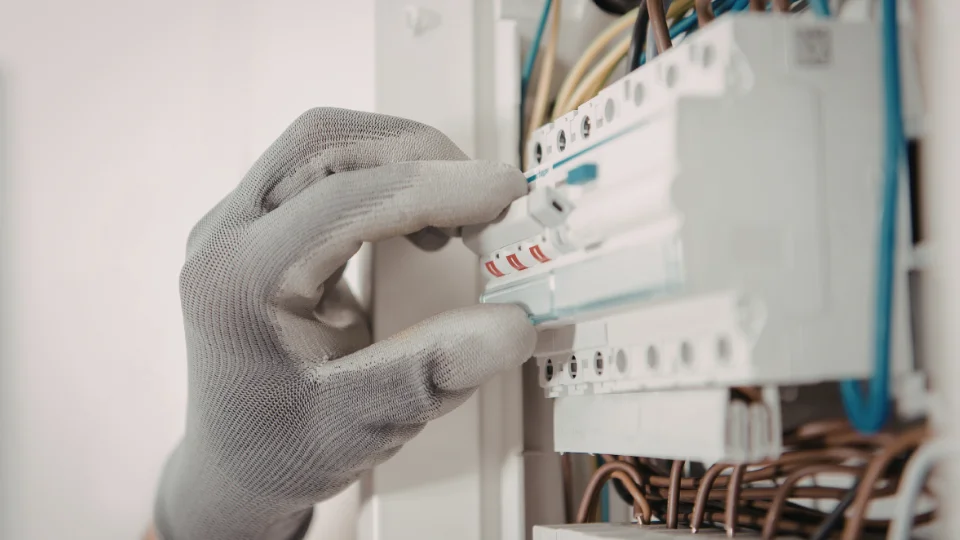
Commercial backup power systems involve far more than simply connecting equipment to a building’s electrical system. Proper installation requires load calculations, code compliance, permitting, transfer switch integration, and long-term planning for system performance.
Working with experienced commercial electricians helps businesses avoid installation issues that could affect safety or reliability later. Electrical contractors can also identify opportunities to improve efficiency while building a backup power strategy tailored to the facility’s operations.
Choosing a Long-Term Electrical Partner
Backup power planning is not just about preparing for emergencies. It is about protecting daily business operations, employees, customers, and critical equipment from unexpected interruptions.
Bates Electric provides commercial electrical services backed by a 24-hour commercial electrical service department staffed by highly trained electricians experienced in all phases of the customer service electrical industry. From backup power planning and electrical upgrades to emergency service and ongoing support, their team helps businesses maintain safe and dependable electrical systems.
To learn more about commercial electrical services and backup power solutions, visit the Bates Electric contact page.