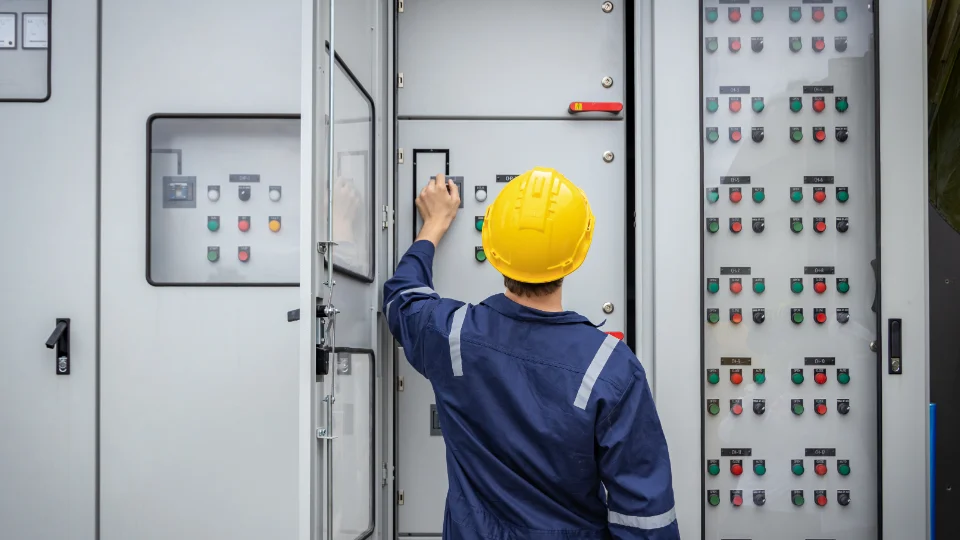
Electrical codes are updated regularly to improve safety, support new technologies, and address changing demands within commercial, industrial, and residential buildings. Staying informed about these updates is important for property owners, facility managers, contractors, and anyone involved in construction or maintenance projects. Understanding current electrical code changes can help reduce safety risks, avoid costly violations, and keep projects moving forward without delays.
Why Electrical Codes Change
The National Electrical Code (NEC) is reviewed and updated on a regular cycle to reflect advancements in equipment, energy efficiency standards, and electrical safety practices. As electrical systems become more complex, new requirements are introduced to address emerging technologies such as electric vehicle charging stations, renewable energy systems, battery storage, and smart building controls.
While local jurisdictions may adopt code changes at different times, many of the updates focus on improving worker safety, reducing fire hazards, and creating more reliable electrical installations.
Increased Focus on Electrical Safety
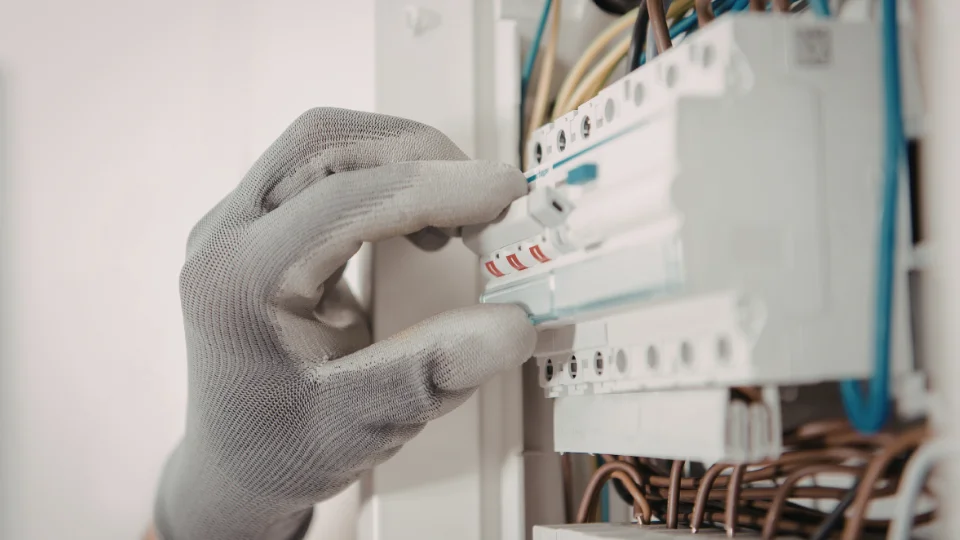
One of the most significant trends in recent code updates is a stronger emphasis on electrical safety. Inspectors and electrical professionals are paying closer attention to proper grounding, arc fault protection, and equipment labeling.
Improved Arc Fault Protection
Arc faults occur when electrical current travels through an unintended path, creating heat that can lead to fires. Recent code updates continue to expand requirements for arc fault protection in certain applications. These protections are designed to detect dangerous conditions and disconnect power before damage occurs.
Enhanced Equipment Labeling Requirements
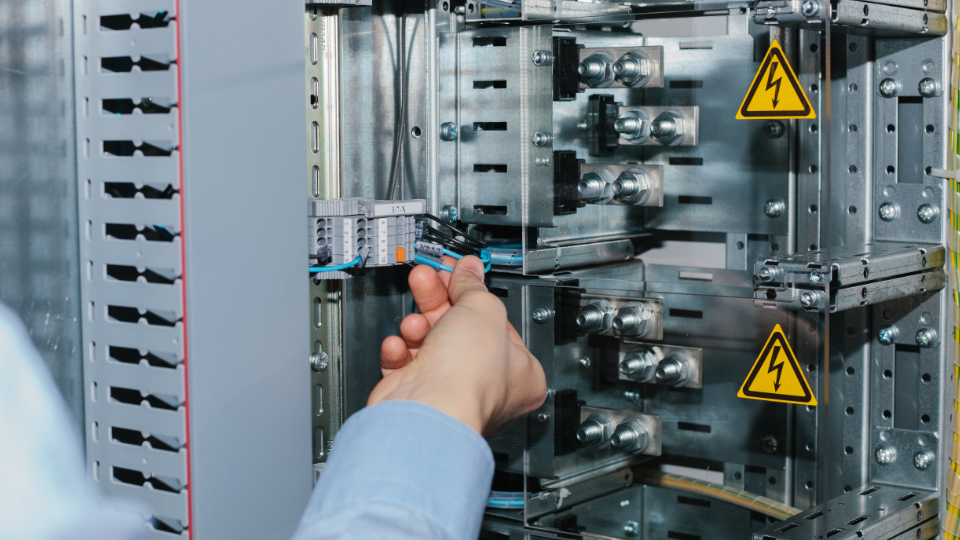
Clear labeling of electrical equipment has become increasingly important. Updated code requirements often call for more detailed identification of electrical panels, disconnects, and emergency systems. Proper labeling helps maintenance personnel work safely and reduces confusion during repairs or emergencies.
Changes Supporting Energy Efficiency
Energy efficiency remains a major focus throughout the electrical industry. Many code updates are intended to help buildings reduce energy consumption while maintaining safe operation.
Lighting Control Requirements
Commercial facilities may see expanded requirements for occupancy sensors, daylight harvesting systems, and automated lighting controls. These systems help reduce energy waste while maintaining adequate illumination throughout the building.
Support for Modern Electrical Equipment
As businesses adopt newer technologies, electrical infrastructure must adapt. Updated codes often address energy management systems, advanced metering equipment, and efficient power distribution methods that help facilities operate more effectively.
Electric Vehicle Infrastructure Continues to Grow
The rapid growth of electric vehicles has led to several code updates involving EV charging equipment. New requirements address installation methods, load calculations, disconnecting means, and safety considerations for charging stations.
Commercial property owners are increasingly planning for future EV charging needs as more employees, tenants, and customers transition to electric vehicles. Proper design and installation help facilities accommodate future demand while maintaining compliance.
Greater Attention to Emergency Power Systems
Emergency and backup power systems remain a critical part of many commercial facilities. Recent code changes continue to refine requirements for generators, transfer switches, battery backup systems, and emergency lighting.
Reliability During Power Interruptions
Businesses depend on emergency power systems to support life safety equipment, critical operations, security systems, and communications during outages. Updated code requirements help improve system reliability and performance when backup power is needed most.
Staying Compliant With Changing Requirements
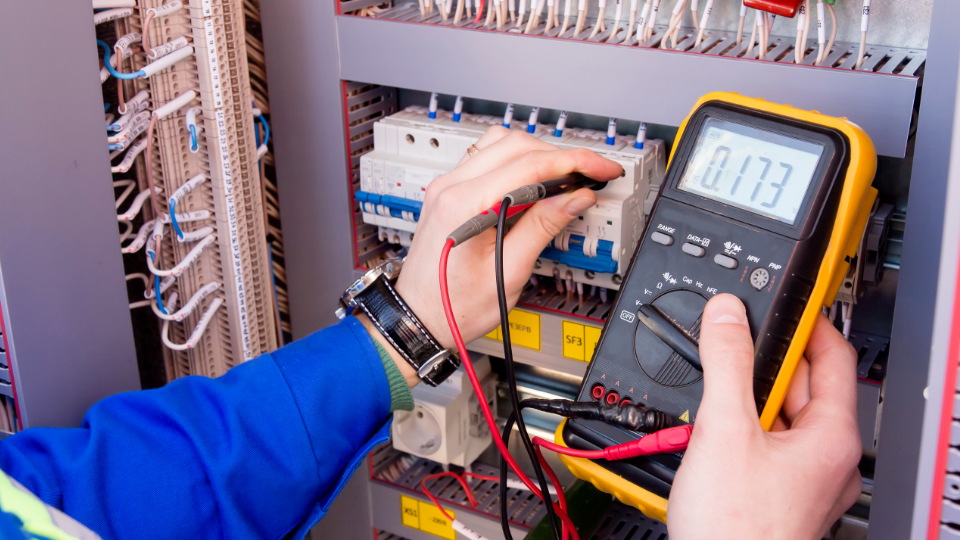
Electrical code compliance is not simply about passing inspections. It helps protect people, equipment, and property from preventable hazards. Building owners and facility managers who stay informed about code changes can better plan upgrades, renovations, and maintenance projects while avoiding unexpected issues.
Working with experienced electrical professionals is one of the most effective ways to navigate changing requirements. Electrical codes can be complex, and professional guidance helps identify potential concerns before they become costly problems.
Partner With Bates Electric
Keeping up with electrical code changes requires knowledge, experience, and ongoing training. Bates Electric provides commercial electrical services backed by a 24-hour commercial electrical service department staffed with highly trained electricians experienced in all phases of the customer service electrical industry. Their team stays current with industry standards, safety requirements, and code updates to help businesses maintain reliable and compliant electrical systems. Whether you need electrical upgrades, troubleshooting, maintenance, or emergency service, Bates Electric has the expertise to support your project and keep your facility operating safely and efficiently.