Why Electrical Safety Audits Matter
An electrical safety audit is not something facilities should view as a one-time obligation. It is a practical check that helps identify risks before they turn into downtime, property damage, or serious injury. For commercial and industrial facilities, electrical systems support daily operations, equipment performance, and employee safety. When those systems are outdated, overloaded, or poorly maintained, problems tend to surface during audits.
Preparing for an electrical safety audit takes more than a quick walkthrough. It requires understanding how your electrical infrastructure is used, how it has changed over time, and where hidden issues may exist. Facilities that plan ahead often experience smoother audits and fewer corrective actions afterward.
Understanding What Auditors Look For
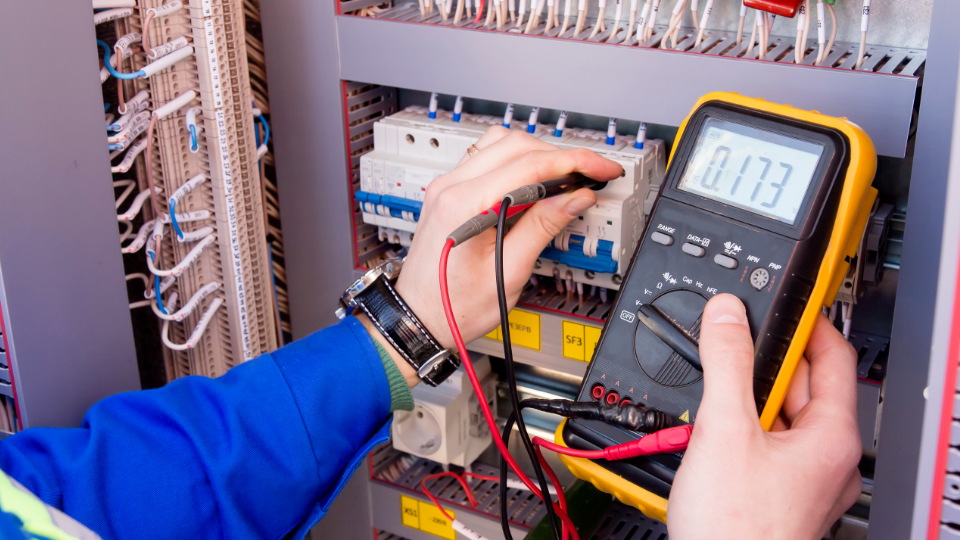
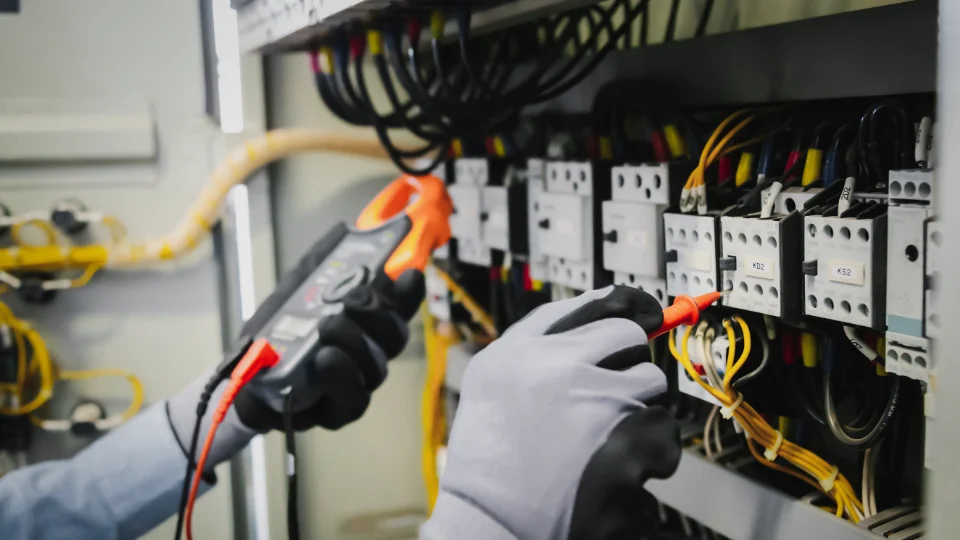
Electrical safety audits focus on compliance, condition, and usage. Inspectors review panels, wiring, grounding, and protective devices to confirm they meet current codes and safety standards. They also pay close attention to signs of wear, improper modifications, and unsafe operating conditions.
Many facilities fail audits not because of major failures, but because of smaller issues that add up. These can include poorly labeled panels, exposed conductors, overloaded circuits, or equipment that no longer matches its original electrical design. Over time, changes in operations can quietly push systems beyond what they were built to handle.
Reviewing Your Electrical Infrastructure Before the Audit
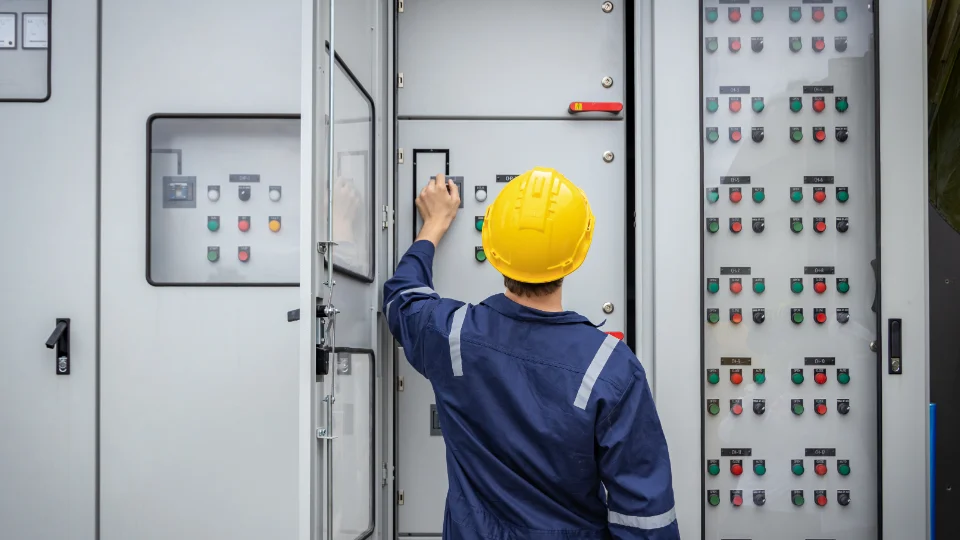
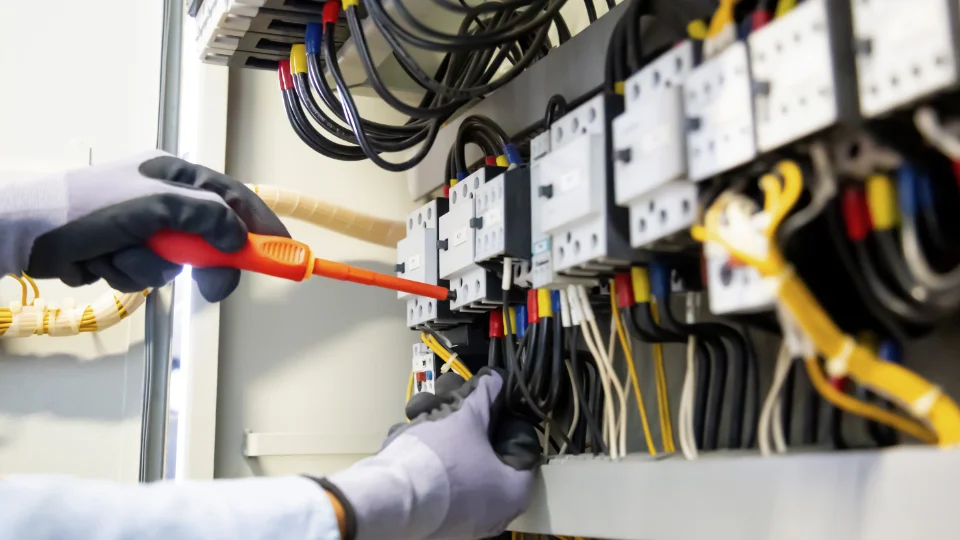
Preparation starts with a thorough review of your facility’s electrical systems. This includes distribution panels, transformers, disconnects, and equipment connections. Facilities that have expanded or added machinery often overlook how those changes affect electrical load and capacity.
It is also important to look at maintenance history. Electrical components that have not been inspected or serviced regularly are more likely to raise concerns during an audit. Signs of overheating, corrosion, or temporary wiring solutions should be addressed well before inspectors arrive.
Working with a licensed electrical contractor during this stage helps uncover problems that may not be obvious to internal teams. An experienced professional understands how auditors think and what issues tend to draw closer attention.
Addressing Common Compliance Gaps
Many audit findings relate to documentation and organization rather than system failure. Missing labels, unclear panel schedules, and outdated diagrams can slow down an audit and create confusion. When inspectors cannot easily identify circuits or equipment, they may assume higher risk.
Facilities should verify that all electrical panels are properly labeled and accessible. Obstructed panels or locked rooms without proper access controls can also become an issue. Emergency shutoffs should be clearly marked and easy to reach.
Training also plays a role. Auditors may ask how employees interact with electrical equipment and what procedures are in place for reporting issues. Clear internal processes show that safety is taken seriously beyond the audit itself.
The Role of Professional Electrical Support
Preparing for an electrical safety audit is not just about passing inspection. It is about building confidence in the systems that power your facility every day. Professional electricians bring a level of insight that helps facilities prepare without guesswork.
Bates Electric works with commercial and industrial clients to evaluate electrical systems, identify concerns, and make practical improvements before audits take place. This proactive approach helps reduce surprises and creates a safer environment for everyone on site.
When electrical systems are reviewed regularly, audits become confirmations rather than stress points. Facilities that invest time in preparation often find that audits highlight strengths instead of exposing problems.
Planning Ahead for Long-Term Safety
Electrical safety audits should be part of an ongoing safety strategy. Facilities that treat audits as routine check-ins tend to maintain cleaner systems and clearer documentation. Over time, this approach supports smoother operations and fewer interruptions.
Preparing early allows time for repairs, upgrades, and corrections without pressure. It also creates a safer workspace where employees can focus on their work instead of worrying about hazards.
Get Expert Help Before Your Next Audit
If your facility is preparing for an upcoming electrical safety audit, Bates Electric is ready to help. Their team provides experienced commercial and industrial electrical services that support compliance, safety, and reliability. To schedule a consultation or learn more about preparing your facility, visit the contact page.