Commercial electrical systems require regular inspections and maintenance to operate safely and efficiently. Over time, electrical connections can loosen, components can deteriorate, and circuits can experience excessive loads. These issues may go unnoticed until they cause equipment failures or unexpected power interruptions.
Infrared thermal imaging provides a way to identify potential electrical problems before they become serious. By detecting temperature differences across electrical equipment, this technology helps maintenance teams locate areas that may require further inspection or repair.
What Is Infrared Thermal Imaging for Electrical Systems?
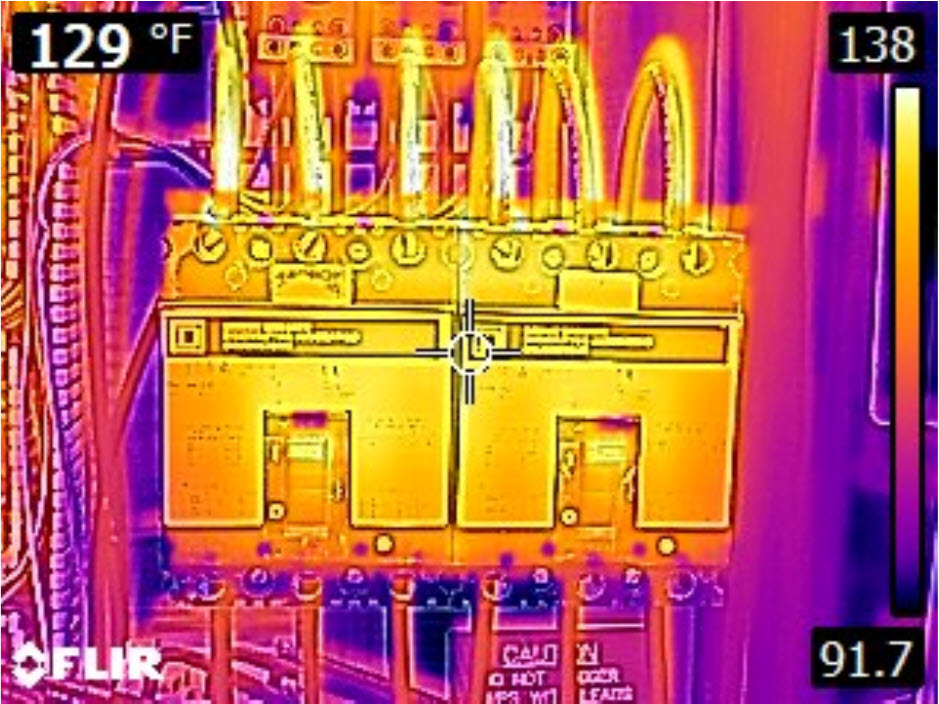
Infrared thermal imaging, also called thermography, uses specialized cameras to detect infrared radiation emitted by objects and convert that information into temperature-based images.
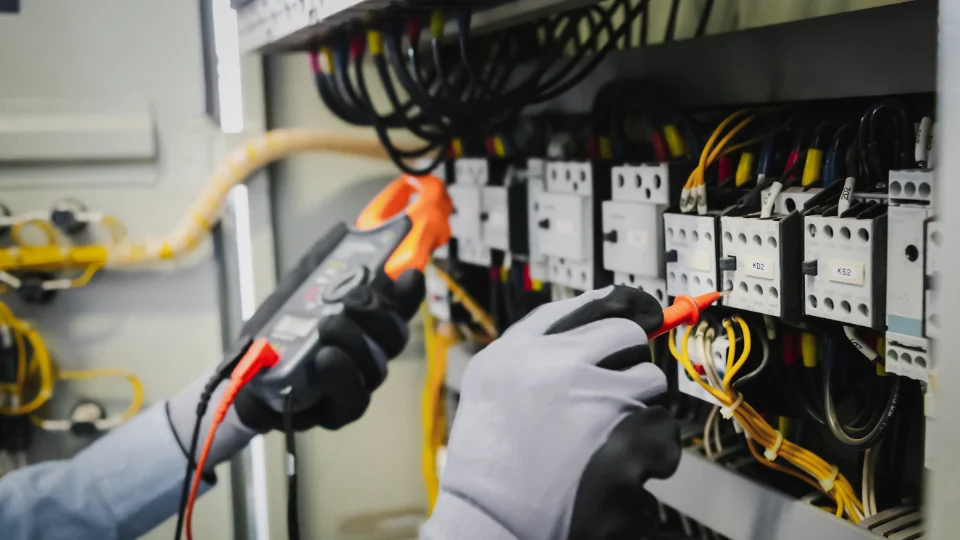
During an electrical inspection, a qualified technician uses a thermal camera to examine equipment for unusual heat patterns. These patterns may indicate excessive resistance, overloaded components, or other electrical concerns.
Common Electrical Equipment Inspected With Thermal Imaging
Infrared inspections can be performed on various components of commercial electrical systems, including:
- Electrical distribution panels and switchgear
- Circuit breakers and fuse connections
- Transformers and electrical connections
- Motor control centers
- Busbars and electrical terminals
- Commercial HVAC electrical equipment
Thermal inspections are generally most useful when equipment is operating under representative loads, allowing technicians to identify abnormal temperature differences.
Key Benefits of Infrared Thermal Imaging
Early Detection of Electrical Problems
One of the primary benefits of infrared thermal imaging is identifying developing electrical issues before equipment fails.
Loose or deteriorating connections can create increased electrical resistance, which generates heat. Thermal cameras may reveal these temperature differences even when equipment appears to be functioning normally.
Early detection allows facility managers to schedule corrective maintenance before minor problems lead to larger failures.
Reduced Equipment Downtime
Unexpected electrical failures can interrupt production, affect tenants, and disrupt essential building operations.
Infrared inspections can often be completed while equipment remains energized and operating, reducing the need for planned shutdowns during the initial assessment.
When potential problems are identified, maintenance teams can schedule repairs around operating hours to minimize disruptions.
Improved Electrical Safety
Overheated electrical components can increase the risk of equipment damage and electrical fires.
Thermal imaging helps identify abnormal heat conditions that may indicate unsafe operating conditions. Addressing these concerns can support a broader electrical safety and preventative maintenance program.
However, thermal imaging does not replace standard electrical testing, visual inspections, or other required safety procedures.
When Should Commercial Buildings Schedule Thermal Inspections?
Routine Preventative Maintenance
Many facilities incorporate infrared inspections into annual electrical maintenance programs. Inspection frequency should reflect equipment condition, operating demands, manufacturer recommendations, and applicable maintenance standards.
Facilities with critical electrical equipment or demanding operating conditions may require more frequent evaluations.
After Electrical Repairs or Equipment Changes
Thermal inspections can also help evaluate electrical equipment following major repairs, system upgrades, or changes in electrical loads.
Comparing thermal images over time may help maintenance teams identify recurring concerns and monitor equipment performance.
Protect Your Electrical Systems With Bates Electric
Regular electrical maintenance is essential for protecting commercial facilities and reducing unexpected interruptions. Bates Electric provides experienced commercial electricians who understand the importance of identifying electrical concerns and maintaining dependable building systems. With a 24-hour commercial electrical service department, Bates Electric offers professional troubleshooting, repairs, and ongoing electrical support. Whether your facility needs preventative maintenance or assistance with an electrical problem, contact Bates Electric to discuss your commercial electrical service needs.